Three Tall Trees…..

At long last, after making 3 small quilts for the David Hockney Challenge and promising Mary from LINQS I would make a large one, I have finally made a start on it! It’s going to be a scaled up version of the quilt I made at the Cranwell Group earlier this year with the theme “what Winter means to me” (20″x 15″).

What Winter Means To Me

What Winter Means To Me

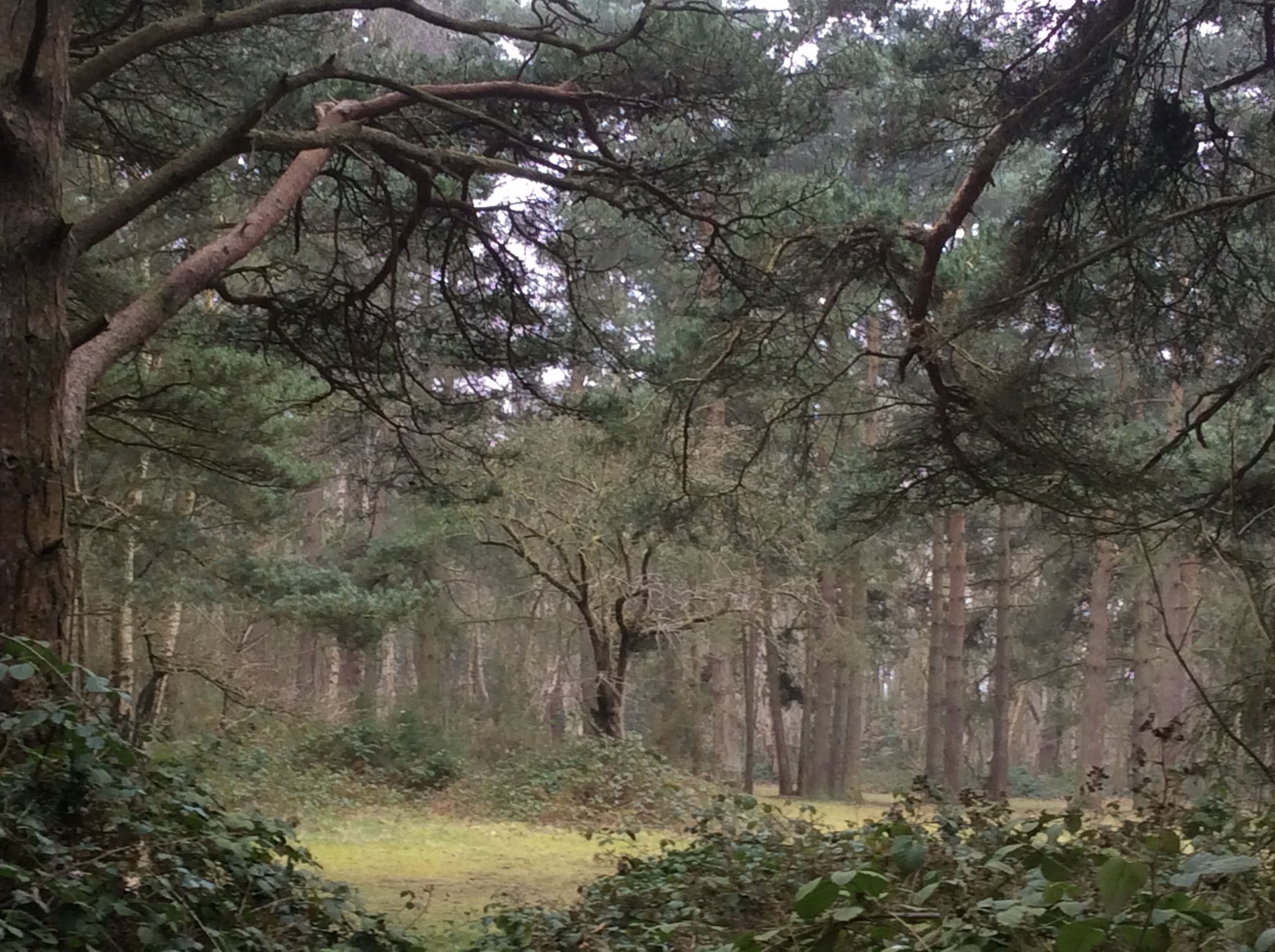
Last Winter had been all about trees as far as I was concerned. Researching Hockney’s work led to me developing a fascination of my own for trees and woodlands and I began photographing them wherever I went. This quilt is based on a photograph I took while out walking in the woods at Woodhall Spa.

The woods at Woodhall Spa

The woods at Woodhall Spa

I began by soda soaking my fabric prior to dyeing with Procion from Artvango. Unfortunately I think I must have used too much soda. Although I covered it before ironing I still managed to burn the entire area of fabric above the tree tops! The dyed area was fine, just the white space above was burnt. I decided, rather than start again, to cut out the trees, back them with Vilene and make a huge piece of appliqué. This turned out to be a blessing in disguise as it was so much easier to handle under the machine than the whole cloth would have been!

Coloured with Procian and Inktense.....prior to burning!

Coloured with Procion and Inktense…..prior to burning!

I’ve layered organza and netting and machine stitched the background trees in various coloured threads, the same way as I did for the smaller version, but this time using more variety of colours.

Layered organza and netting.

Layered organza and netting.

The next step was to add the woodland floor before layering my appliqué woodland, sky fabric and wadding. The foreground trees have now been tacked in position and can be machined once the finer branches have been hand sewn.

Foreground trees tacked in position

Foreground trees tacked in position

I’m not particularly looking forward to quilting the three tall trees in place as the quilt sandwich is already very bulky.  With hindsight I should have sewn the three trees on to the “sky” layer before I started quilting……..another lesson learnt!


Flora & Fauna…..

After attending the Eco Dyeing workshop at Artvango I came home all fired up and eager to start my own experiments with plants and dyeing.   My first attempt wasn’t a huge success but I did manage to make a few marks and dye some fabric which I then incorporated in a quilt for the Cranwell Contemporary Textiles challenge “Flora & Fauna”.  In this challenge we had to include “stamping and printing” so Eco printing was the obvious choice combined with some really nice dragon fly stamps from Papermania which I have had for ages but hardly used.

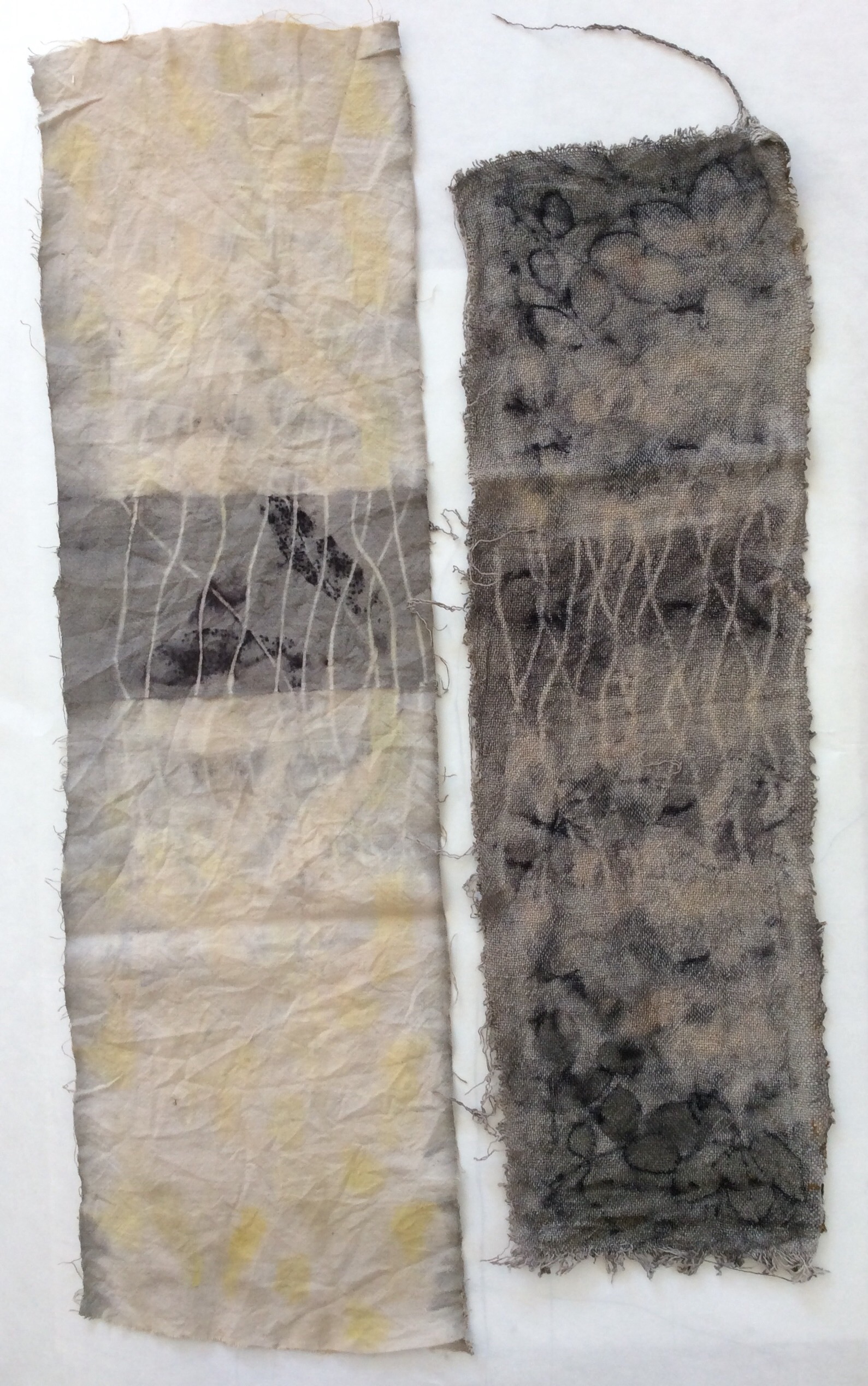
My two Eco dyed cotton fabrics

My two Eco dyed cotton fabrics

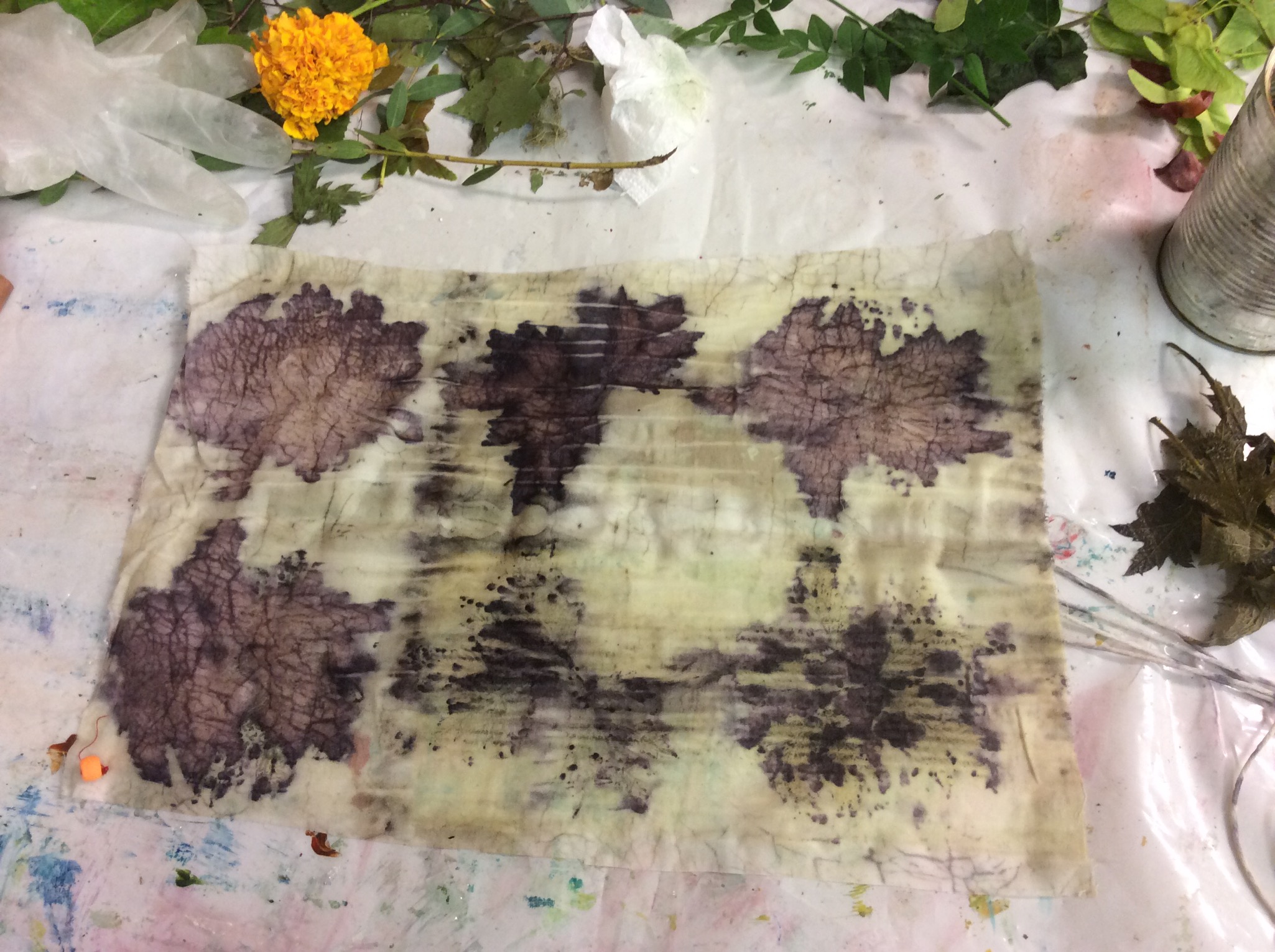
The fabric on the left of the photo was covered with eucalyptus leaves, tiny ferns and onion skins before being wrapped around a copper pipe and boiled.  When I turned off the heat I added a tiny pinch of ferrous sulphate and left it to cool.

The fabric on the right turned out very grey (very, very grey!) after being tied around a large rusty drill bit before boiling.  The leaves included a vine of some sort which grows over from my neighbours garden and some miniature rose leaves.  Although the colour was a lot darker than I had envisaged at least some of the leaves can be seen.

Close up of my Eco dyed cotton fabric showing marks left by the leaves

Close up of my Eco dyed cotton fabric showing marks left by the leaves

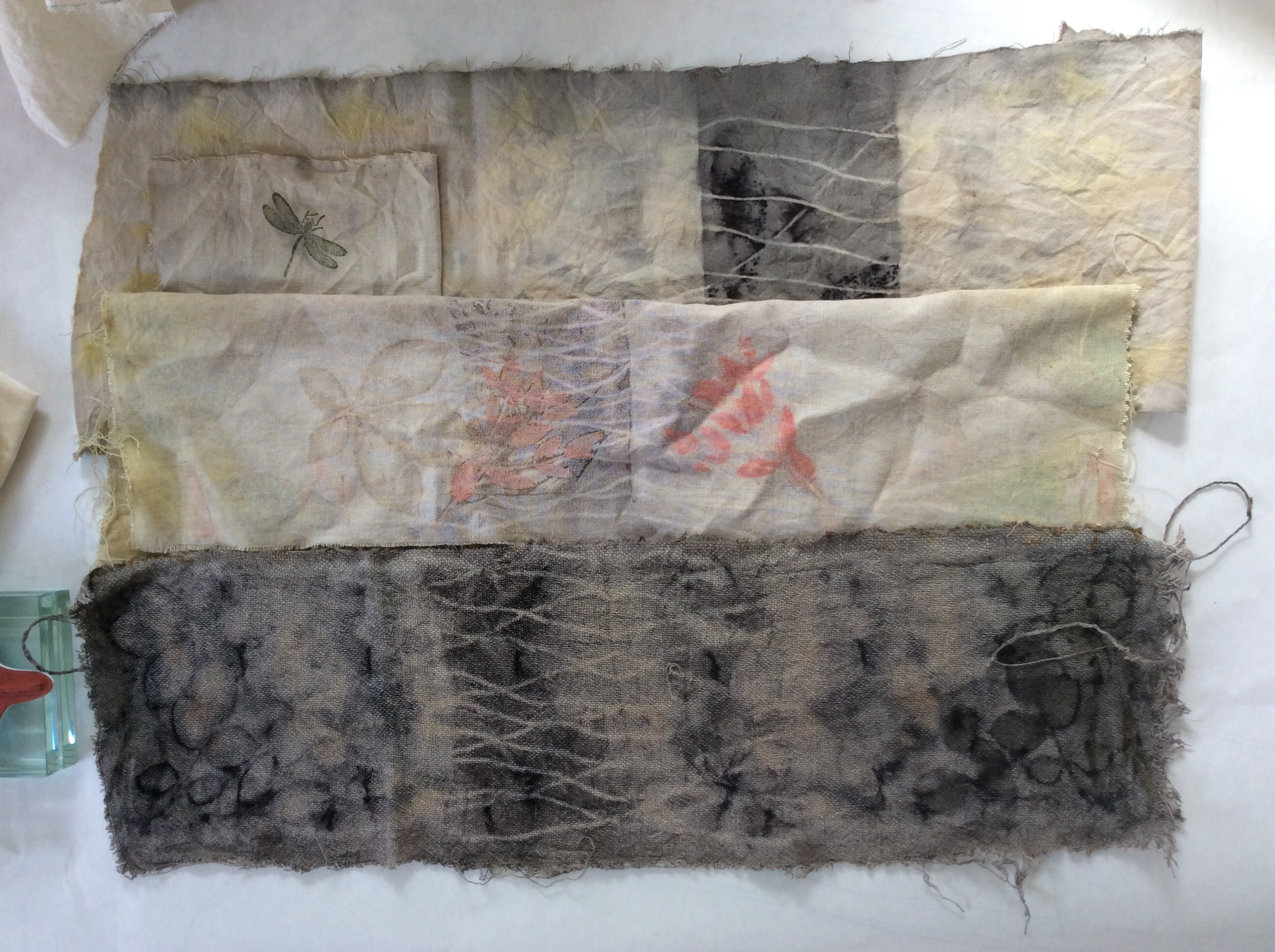
I decided to combine these two fabrics with one of those I dyed at Artvango and these would form the background for the quilt.

Three strips of Eco dyed fabric which form the base of my Flora & Fauna quilt

Three strips of Eco dyed fabric which form the background of my Flora & Fauna quilt

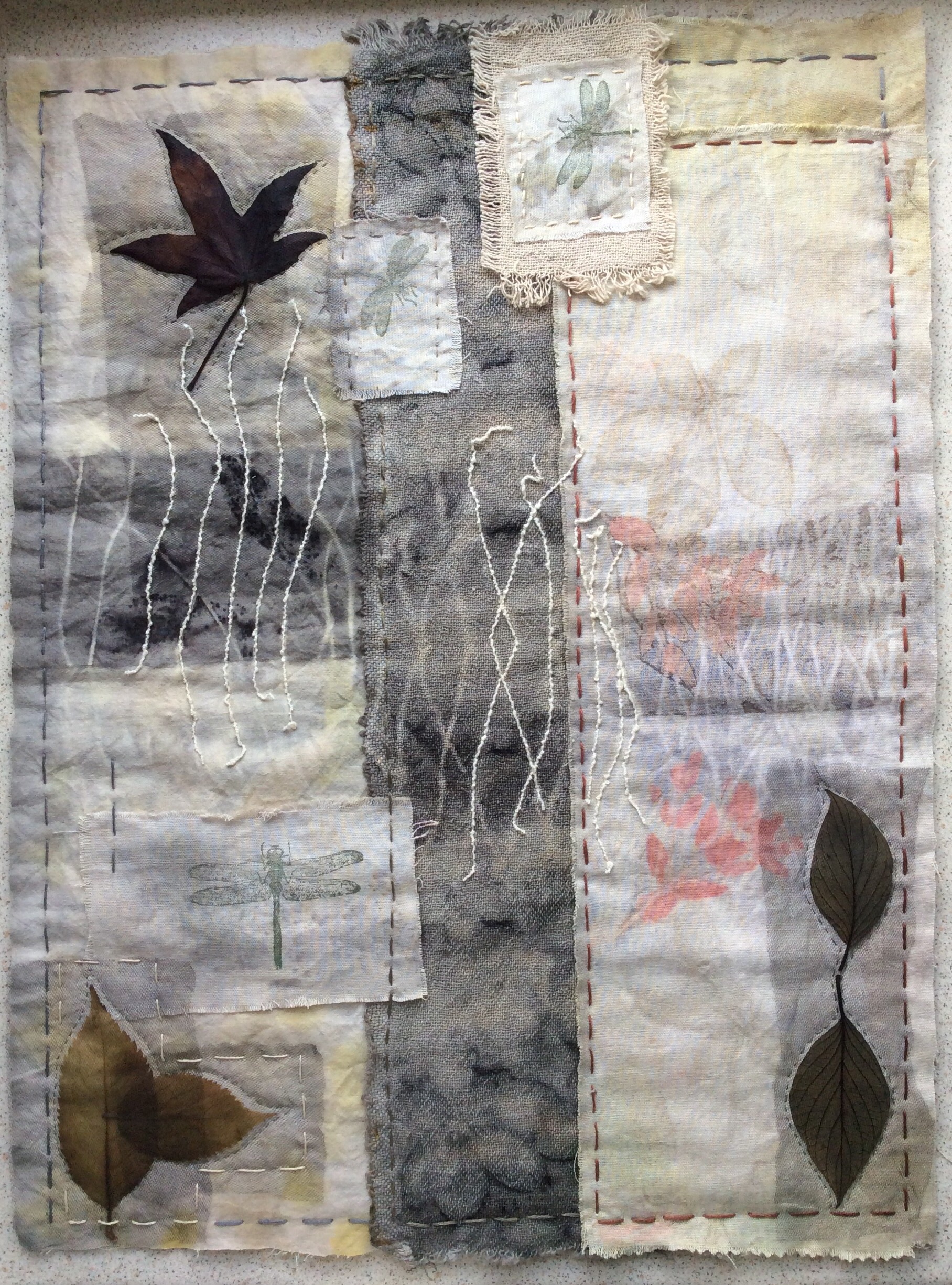
I played around with the layout adding stamped Papermania dragonflies and a selection of leaves which I had dried and preserved with glyserine.  I preserved a whole load of these leaves two years ago for an Autumnal workshop I did with adults with special needs.  They were so beautiful I couldn’t bare to throw them away and this seemed like the ideal opportunity to use some of them.

Trying different layouts incorporating dried leaves and stamped dragonflies

Trying different layouts incorporating dried leaves and stamped dragonflies

In keeping with the “natural” theme of this quilt it didn’t feel right to use my machine so I decided to do all the stitching by hand.

The finished quilt

The finished quilt

This is the finished Flora & Fauna quilt, complete with frayed edges and wonky stitching.

Eco Dyeing at Artvango…..

Last Friday I spent a wonderful day at Artvango learning the basics of how to Eco Dye with Jenny Leslie.  Before the session we were sent a list of certain leaves which we were asked to bring with us as they are known to produce particularly good results with this type of technique.  That in itself was a learning curve for me.  Prior to this I had no idea what a Walnut tree looked like, and wouldn’t have known that there were so many in close proximity to our house.  I had never heard of “Dogwood”, although I did recognise the plant when it was pointed out to me by a member of staff in the garden of The Lincolnshire Wildlfe Trust.  Other leaves Jenny suggested included apple, blackberry and eucalyptus.

It was baking hot here last Thursday and by the time I had finished foraging some of the leaves were already beginning to wilt.  I did wonder if they would be shrivelled beyond recognition by the time I got to use them as I was travelling down by motorbike and staying overnight at a B&B before the class.  I needn’t have worried as it turns out the leaves don’t need to be freshly picked, in fact dried, pressed leaves also work well for Eco Printing.

Jenny, who has a background in gardening, began by showing us some of her wonderful work and explained how she got into Eco Dying.  Obviously there were references to India Flint, the pioneer of Eco Dyeing, and Jenny brought along her copy of India’s book “Eco Colour” for us to look at.

Jenny Leslie fabrics

A selection of Jenny’s work

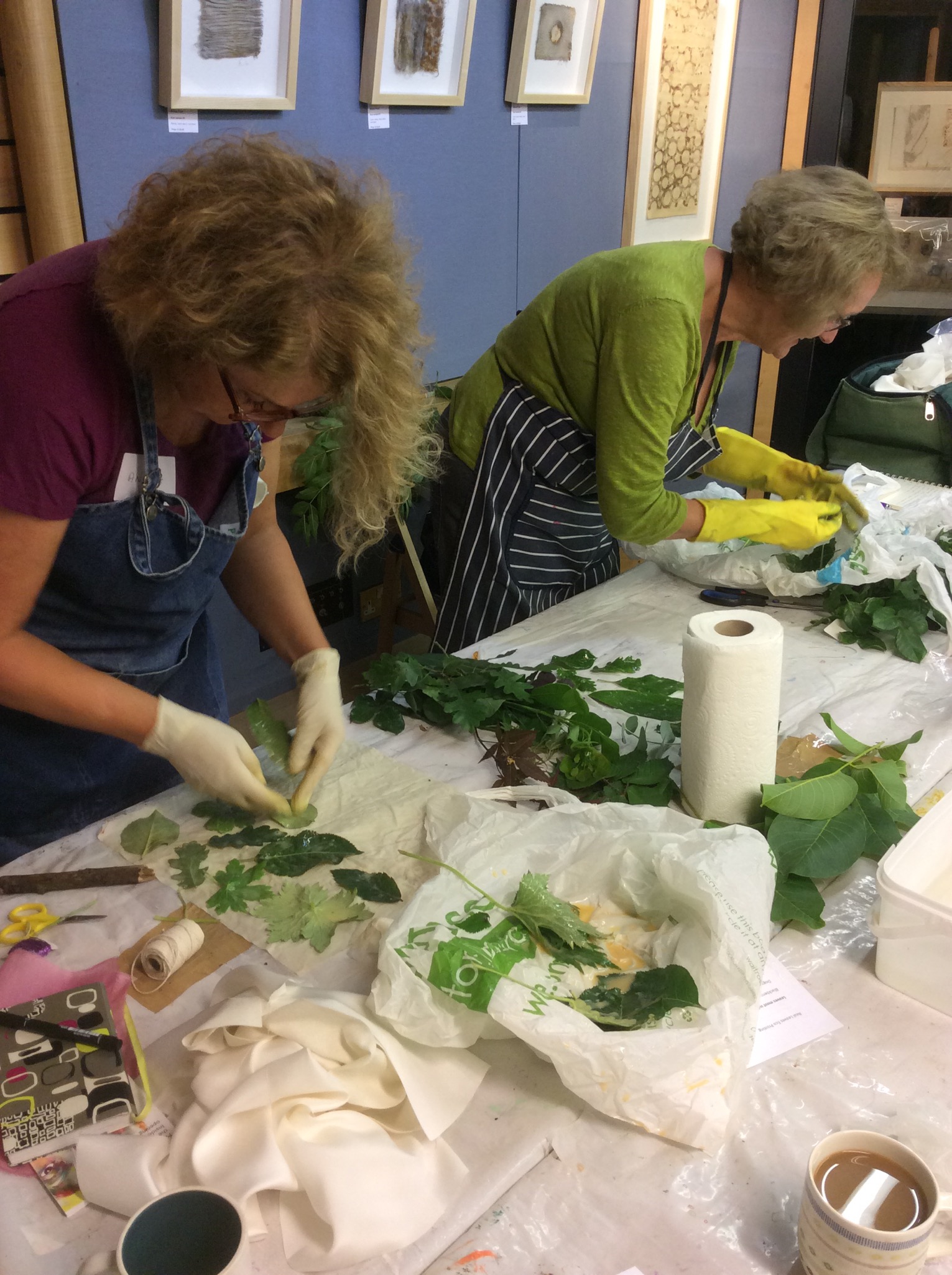
There were twelve students in the class and I think I can speak for all when I say what a fabulous day we had.  I did a bit of research before travelling down and I have to admit I wasn’t expecting such good results from a first attempt!  We were like excited kids, selecting what we were going to use, dipping our leaves into the iron bath or the copper bath, and carefully wrapping our bundles around twigs, copper pipes or rusty old tins.  Once they had been tied securely with string they were dropped into the boiling water or placed in the steamer.  All the time we were busy Jenny was feeding us information regarding mordants and “baths” and the different ways we could alter the colours we had achieved, even once the bundles had been boiled.  My notes are a complete jumble as I only got back from my 550 mile journey last night (I came home via the Isle of Wight!) but I am looking forward to sorting them out and having a play this weekend, once I have been out and collected more greenary. 

Jenny explains how we will be using the murky looking liquids

Jenny recommended Soya Milk as a mordant for cotton while our silk fabrics were simply soaked in a 50/50 solution of water and white vinegar.  Apparently there are lots of different approaches to Eco Dyeing with some folk recommending mordants while others don’t bother.  The final effects can also vary depending on the type of fabric you use, the hardness of your water, humidity, etc, etc.  I think the key message I took away was that we need to “experiment” and find what works for us.

Laying out the leaves
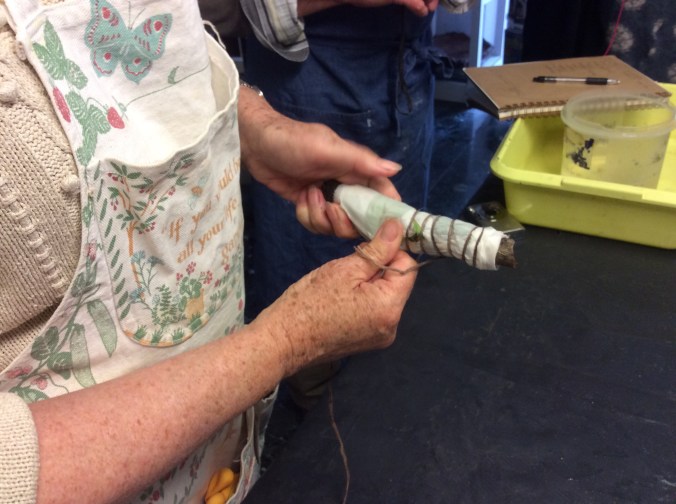
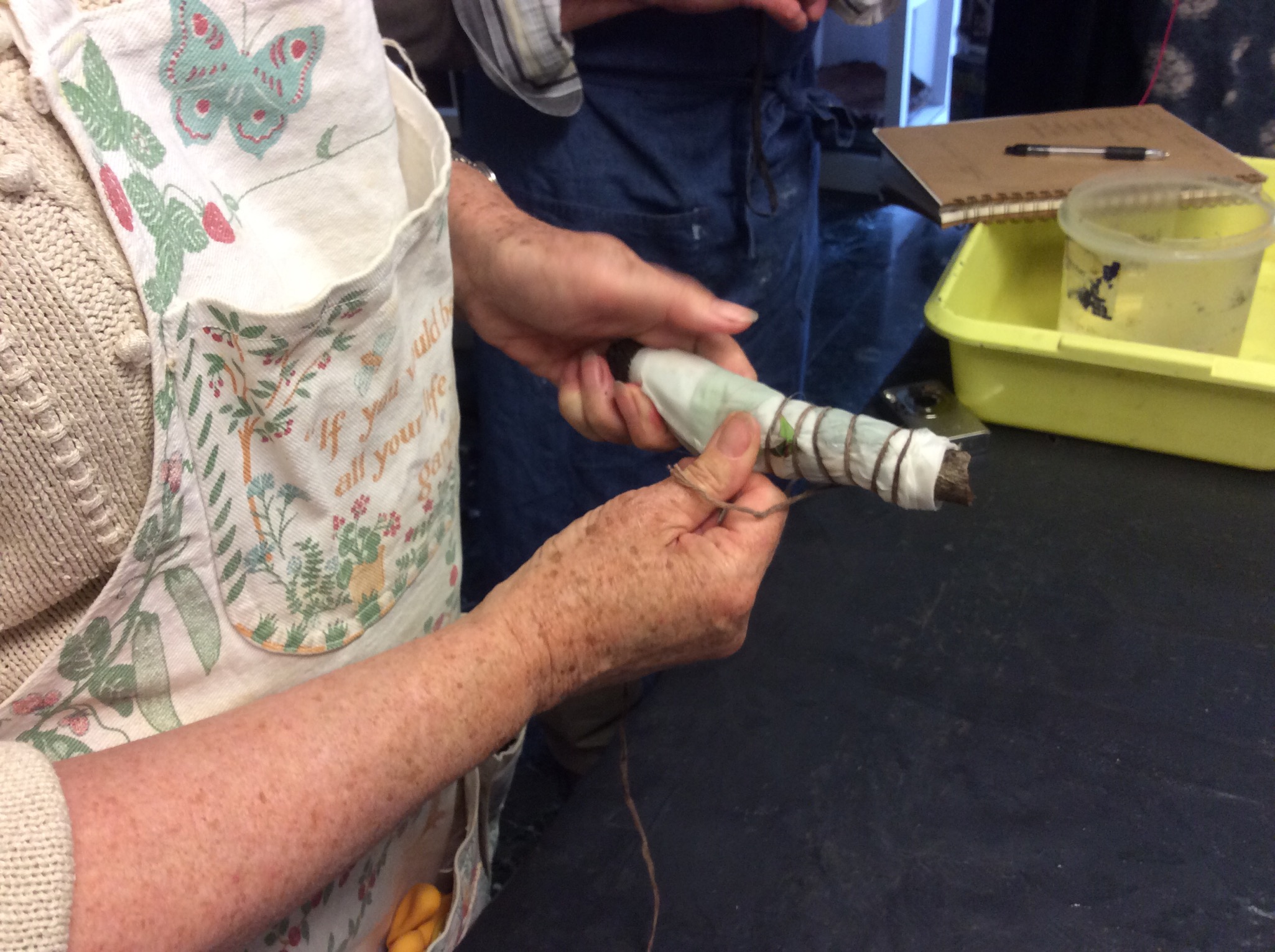
Tying the bundles

Tying the bundles

Fabric wrapped around rusty tin cans

Fabric wrapped around rusty tin cans

Another students work revealed
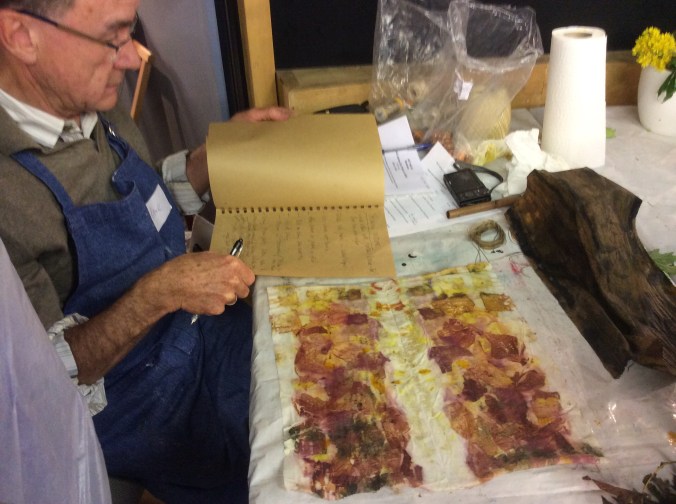
Another students work revealed

Clive got a colourful result using onion skins

Clive got a colourful result using onion skins

The following photos show how my dyed fabrics turned out.
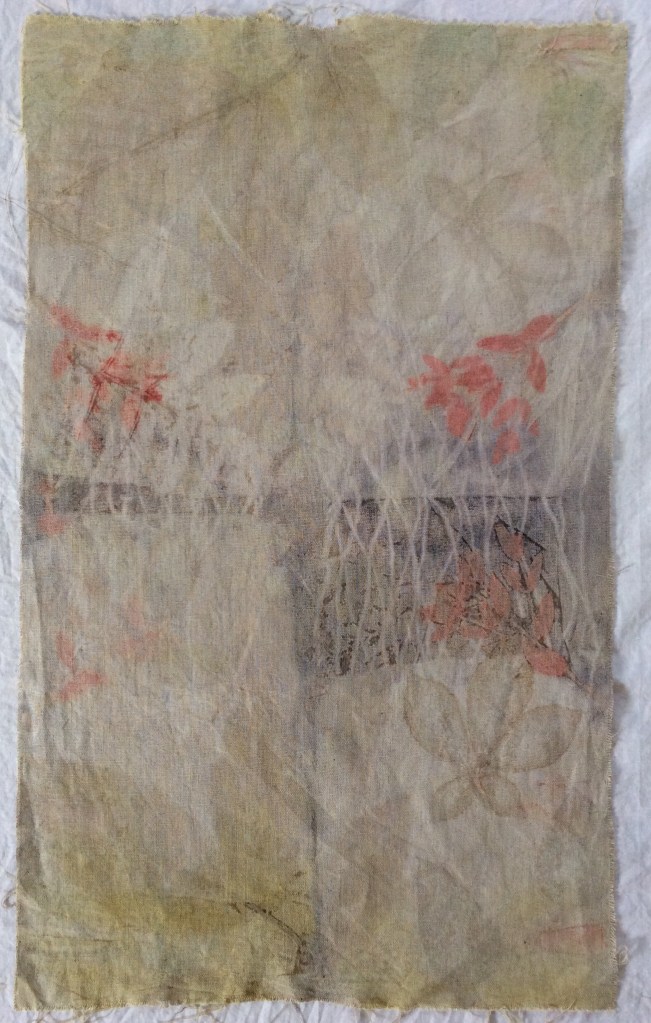
Linen and viscose

Linen and viscose

My linen and viscose sample started life as a pair of pale grey trousers. After soaking it in soya milk and wringing it out I layed on a selection of leaves including eucalyptus, walnut, sumac and an unknown vine that grows in my neighbours garden. The fabric was doubled over and wrapped around a short length of copper pipe and boiled for an hour. The result is subtle but I love it!
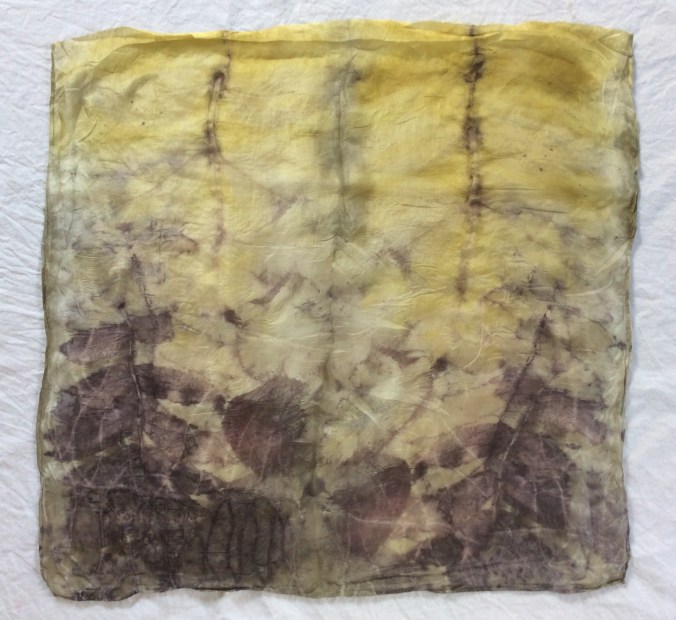
Walnut, sumac,blackberry and unknown wild flower
Walnut, sumac,blackberry and unknown wild flower

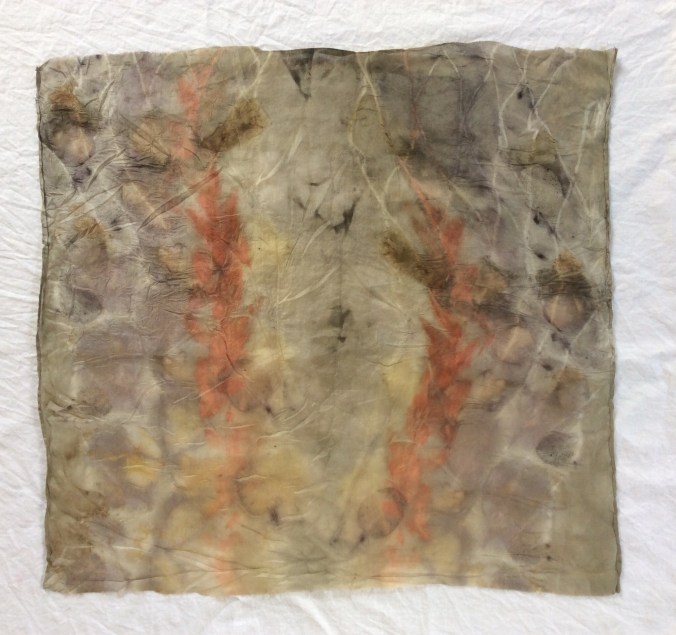
Eucalyptus, walnut, blackberry and unknown vine

Eucalyptus, walnut, blackberry and unknown vine

The two silk pieces were soaked for about 30 minutes in vinegar water, leaves laid out, wrapped, tied and boiled for an hour and then iron was added to the water and the fabric remained submerged until the water cooled. Again, I love the results!

I did as Jenny suggested and left my bundles until the next day before I unravelled them. They didn’t look too exciting while they were still wet but once they had dried they looked great! Some of the leaves can be seen while others left an area of colour rather than a distinct shape. I am really happy with results and keen to do more. I bought various fabrics from Artvango including a cotton/silk blend, a spun rayon and cotton Rossglen, all of which I have been told will take colour really well so fingers crossed! It’s not advisable to use your cooking pans for Eco Dyeing so I am nipping out now to see if I can find some old pots and pans in our local junk shop…….

Botanical Blinds…..

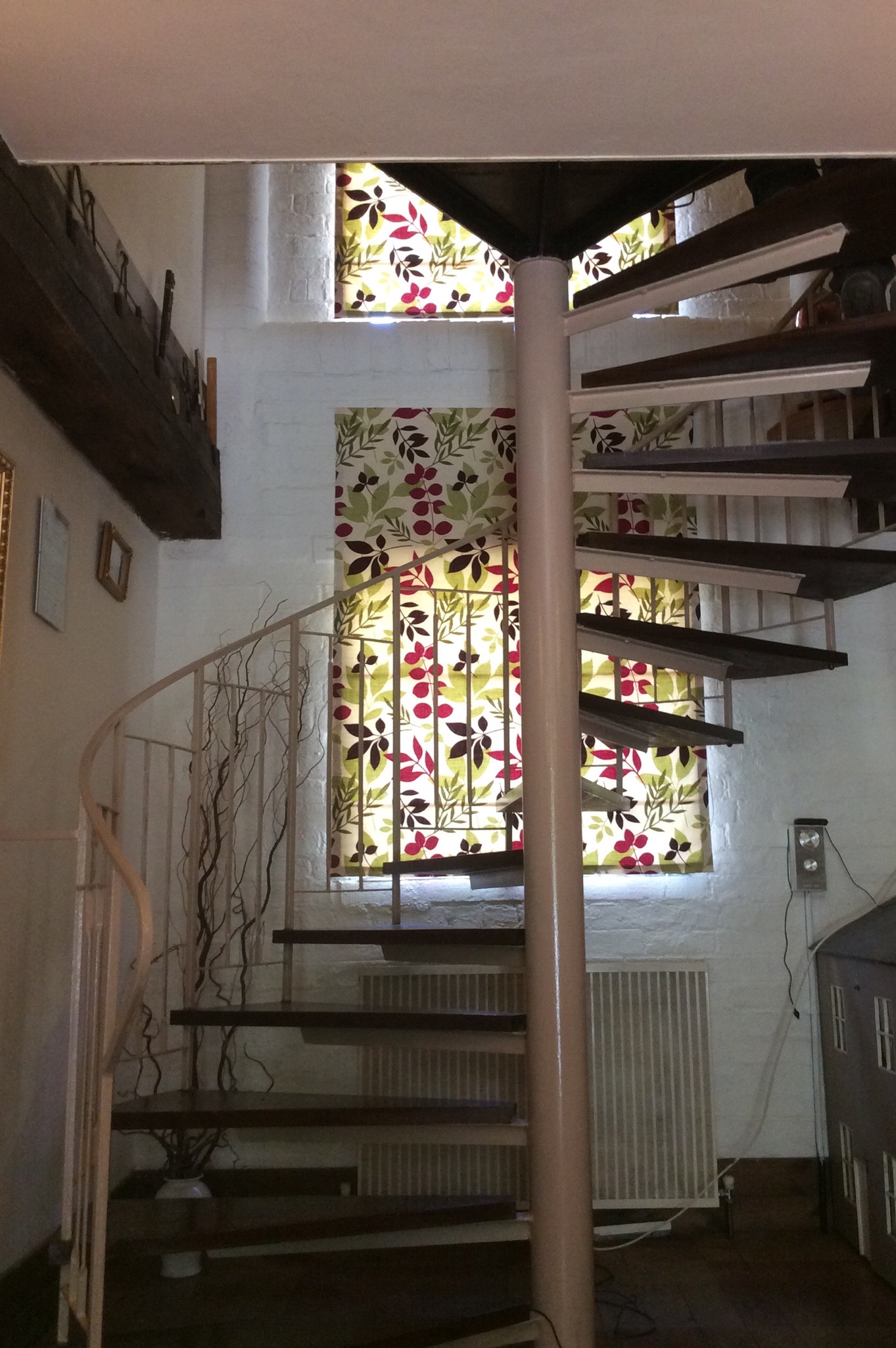
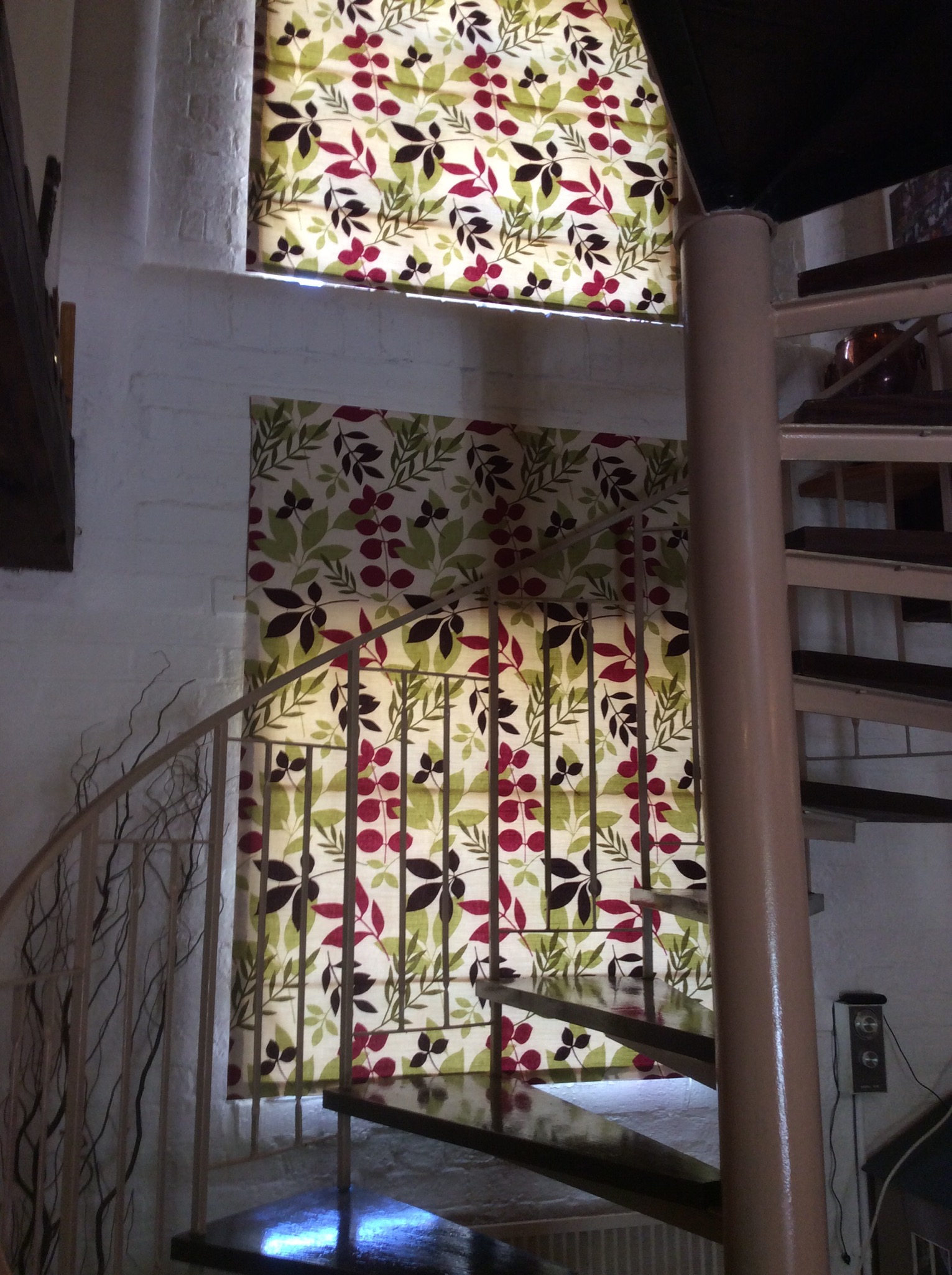
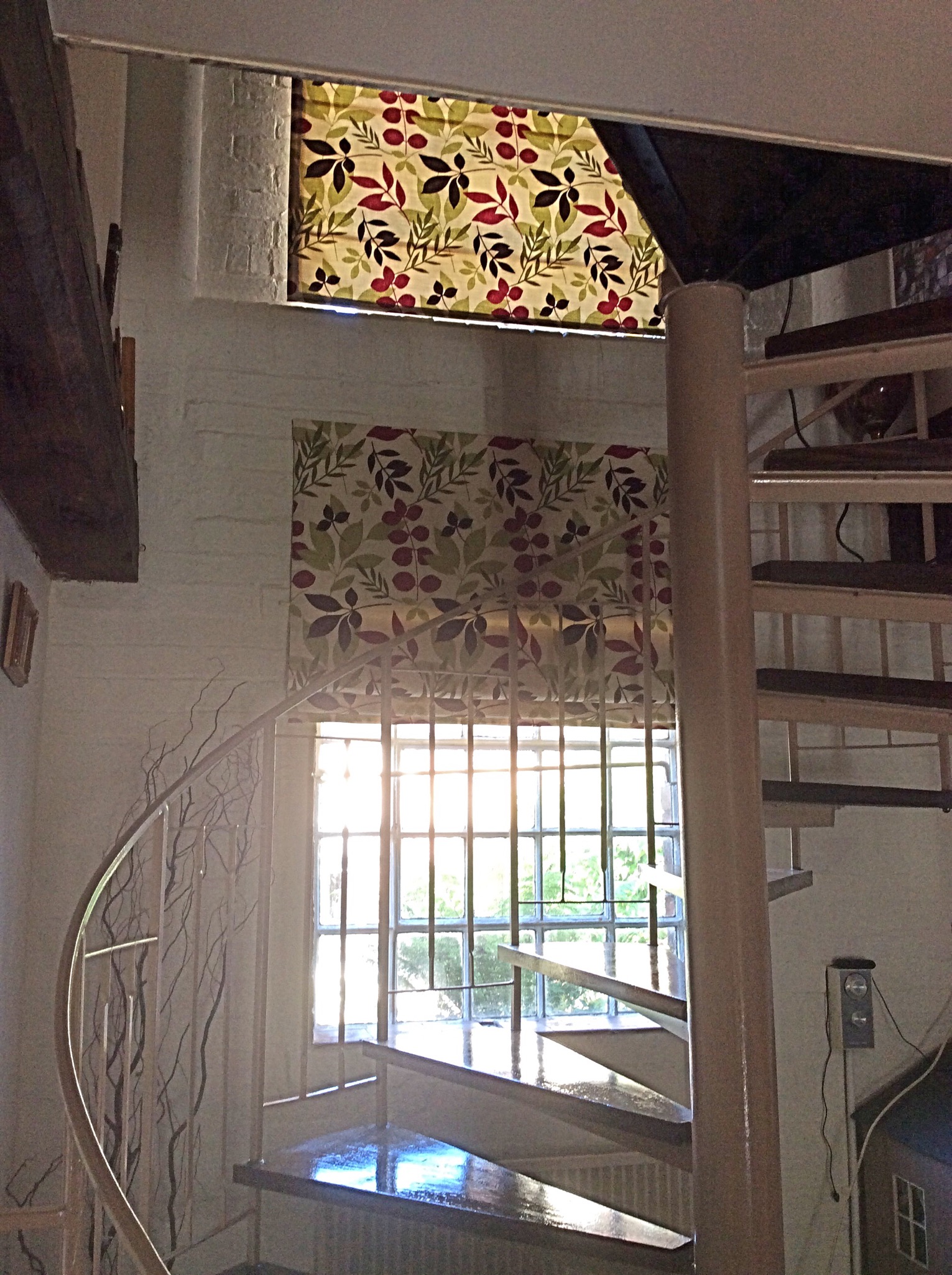
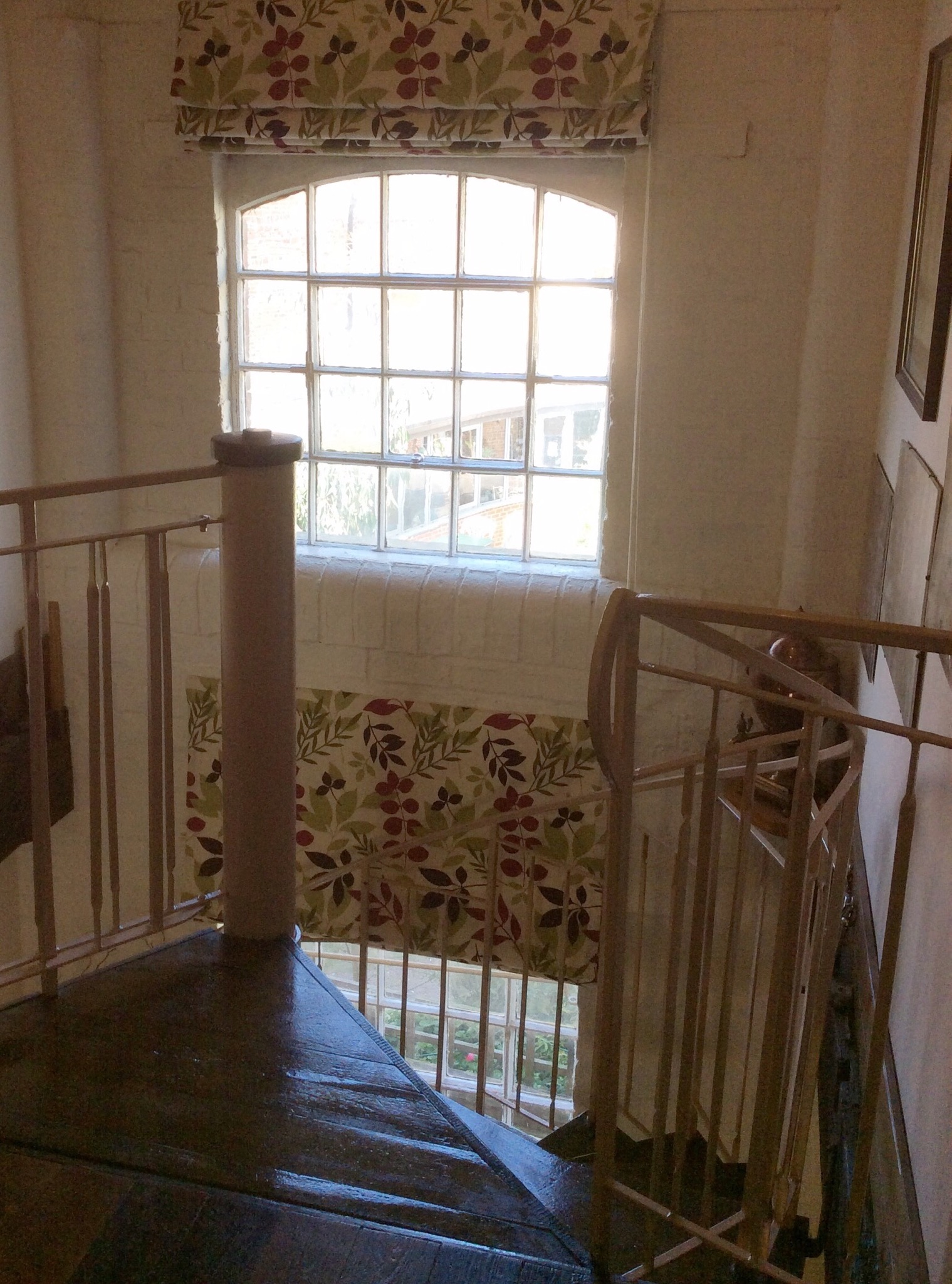
I was recently at a friends house and, during the conversation we were having about what colour he should paint the hallway, I mentioned that I thought a pair of Roman blinds with a strong pattern would make a nice feature.  Bobs windows overlook the Joseph Banks Centre Garden so it naturally followed that the fabric should have a botanical theme.  I found a bold, leafy patterned fabric called “Jakarta” in Dunelm Mill and assumed that my job was done.  My friend had other ideas and said he liked the fabric but he wanted me to make the blinds.  After much fretting about whether or not I had got them “square” enough, this is the result.  It’s the first time I have made Roman blinds but the instructions on the sew-helpful site were very good and I am really pleased with the finished product……and thankfully so is Bob!  


Playing with acrylics…..

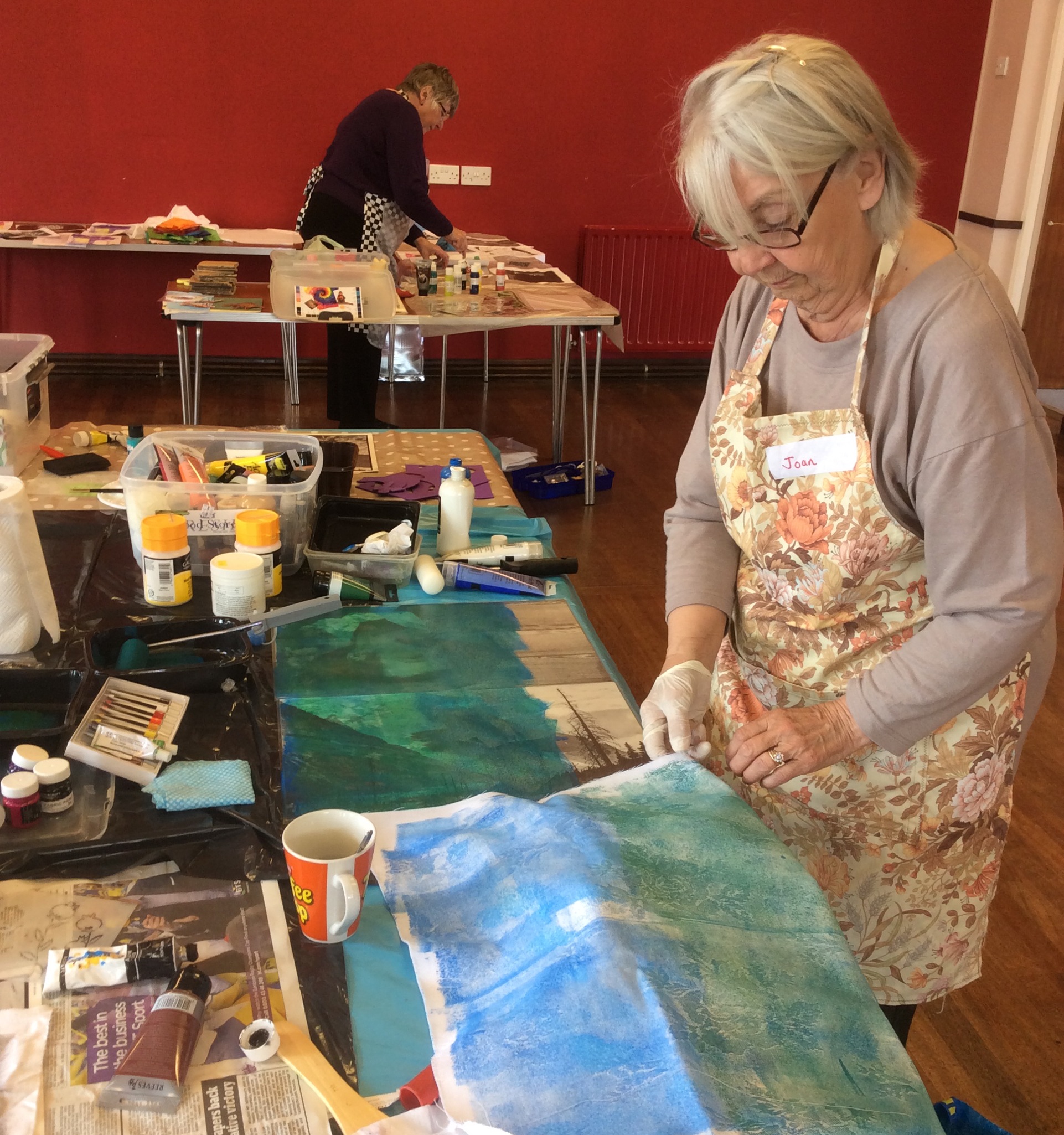
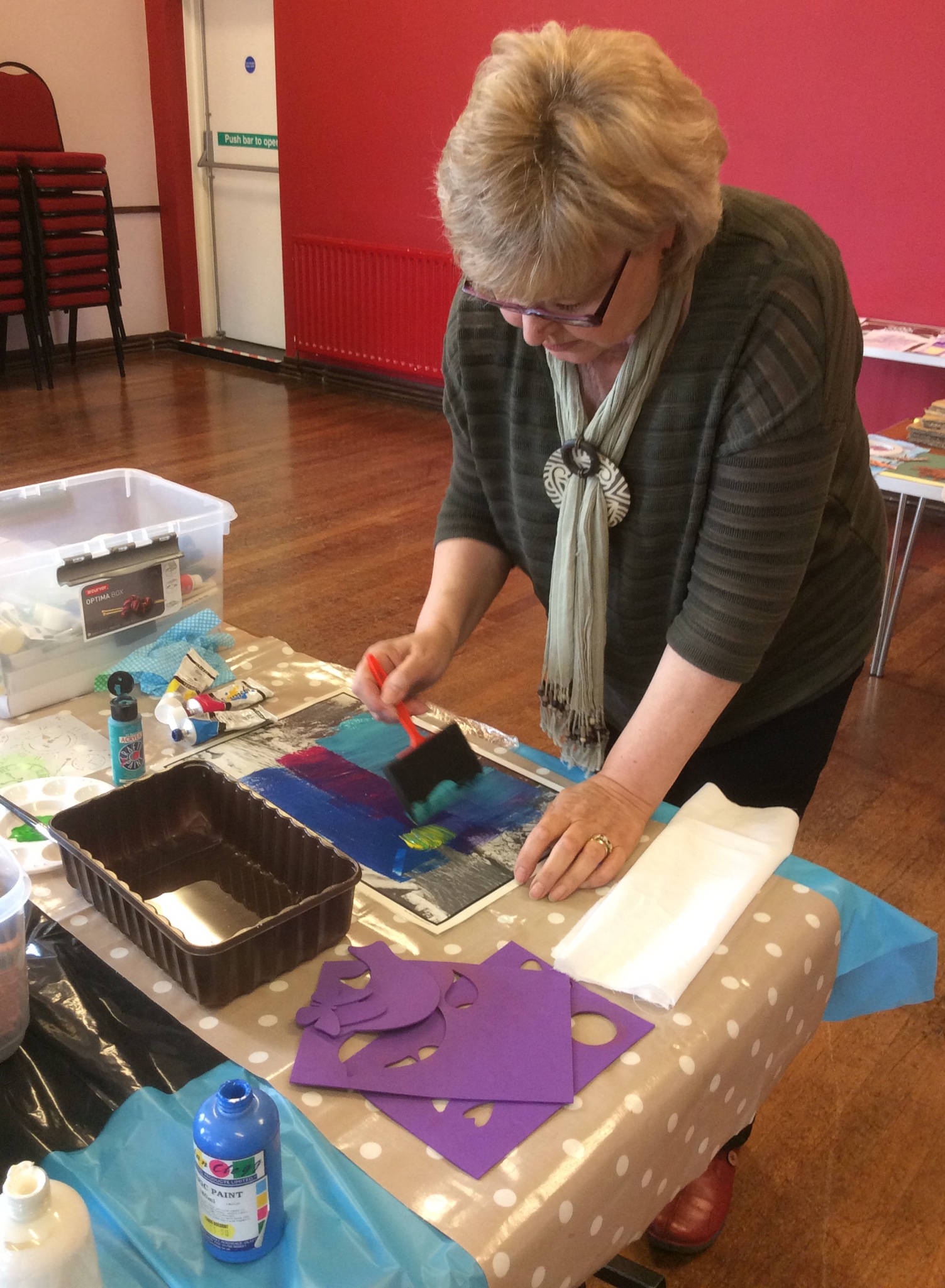
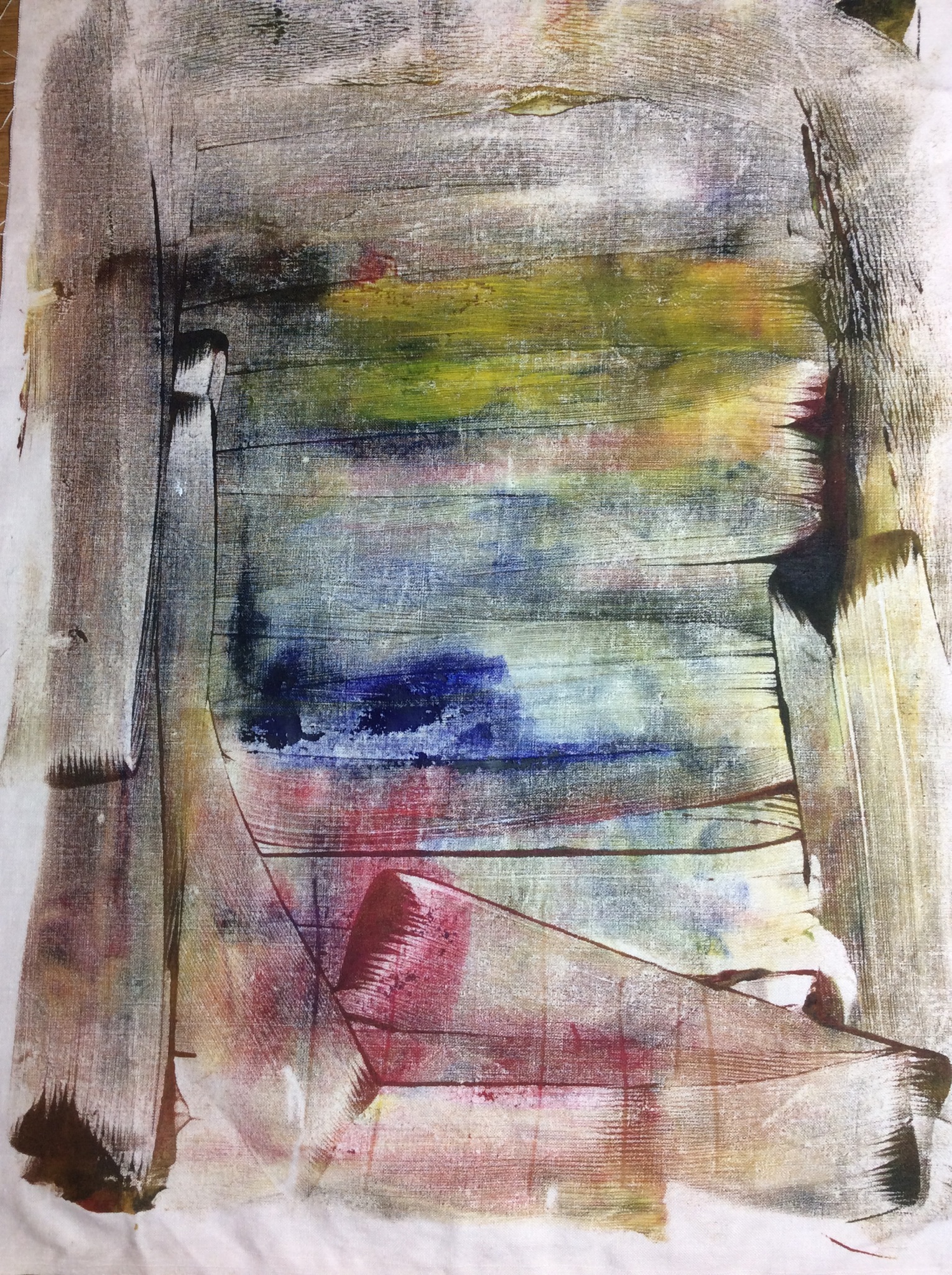
At today’s session of the Cranwell Contemporary Textile group some of us played around with acrylic paints, applying colour to gelli plates, glass placemats or an acetate sheet before transferring the colour to our fabrics and paper to create backgrounds for stitching onto.


Each quarter we are set a challenge and within that challenge we are asked to use two particular techniques.  Our latest challenge is to design and make a quilt with the title Flora and Fauna.  The two specified techniques to use are printing and stamping, hence the ‘play day’.   Although we were all using a similar technique the results were very different.

 I took along a small seam roller which I used to spread the paint onto my glass platemat.  Once printed I found that the roller had created texture and, (in my mind, if no-one else’s) two of my pieces have the look of distressed wooden planks similar to those you might see on an old house somewhere in the Mediteranean.  I am thinking of  adding moss, lichen, wild flowers, etc to create the look of an old door or boarded up window, overgrown and disused. A quick look on Google has confirmed that I can get away with adding insects as my ‘Fauna’ so one of these could be the basis of my challenge quilt sorted!

Top Tip for Storing Bobbins…..

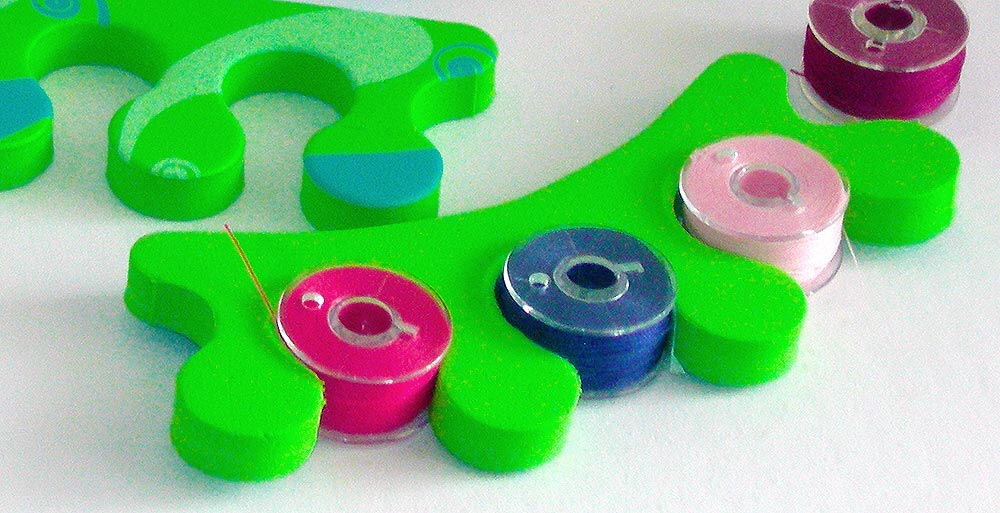
I just stumbled across sew4home.com and had to share their very simple solution for storing bobbins tidily….using foam toe separators. Sometimes the solutions are staring us right in the face!

IMG_1829

Woodhall Spa Art Quilt…..

My latest art quilt has been made in response to a challenge set by the Cranwell Contemporary Stitch group. The challenge was set in January and the theme was “what Winter means to me”. Being a new member meant I didn’t have much time to lose as the deadline for handing in the finished work was going to be the second week in April.

Since signing up for the David Hockney Challenge last year I have become very interested in depicting trees in my work and all through the Winter I have been noticing trees like I have never done before. With this in mind I knew immediately that I wanted to create another tree themed quilt so took my camera on a walk through the woods in Woodhall Spa. This is a beautiful spot and I came home with dozens of images which will provide me with inspiration for a long time to come!

IMG_1642

IMG_1625

IMG_1731
The image I chose to work with is the one shown below.

IMG_1720
I began by painting a very pale grey sky and a grey/green backdrop for the woodland using Procion dyes. I bought a starter kit of Procion dyes when I visited Artvango and this was my first attempt at working with them.

IMG_1721
The next step was to machine sew the background trees in shades of green and cream thread. I then added torn strips of green sheer fabric and a little black netting to create shadows. Silver embroidery thread was hand stitched to make the tall thin silver trees in the mid-ground.

IMG_1778
At this stage I machined the thin branches of the trees, added grey sheer fabric in patches over the top and held it in place with a criss-cross of hand stitches branches.

The woodland floor is hand stitched silver thread over dyed muslin which has been roughly cut and layered with small snippets of gold organza.

The three main tree trunks were formed from iron-on Vilene which was coloured with Procion and bark detail was added using Inktense pencils.

The finished piece measures 15″ x 20″ and unlike my last “tree” quilt, which was done with free machine stitching, all of the machine work on this one was done with the feed dogs up using a walking foot.

IMG_1777

Kantha Workshop…..

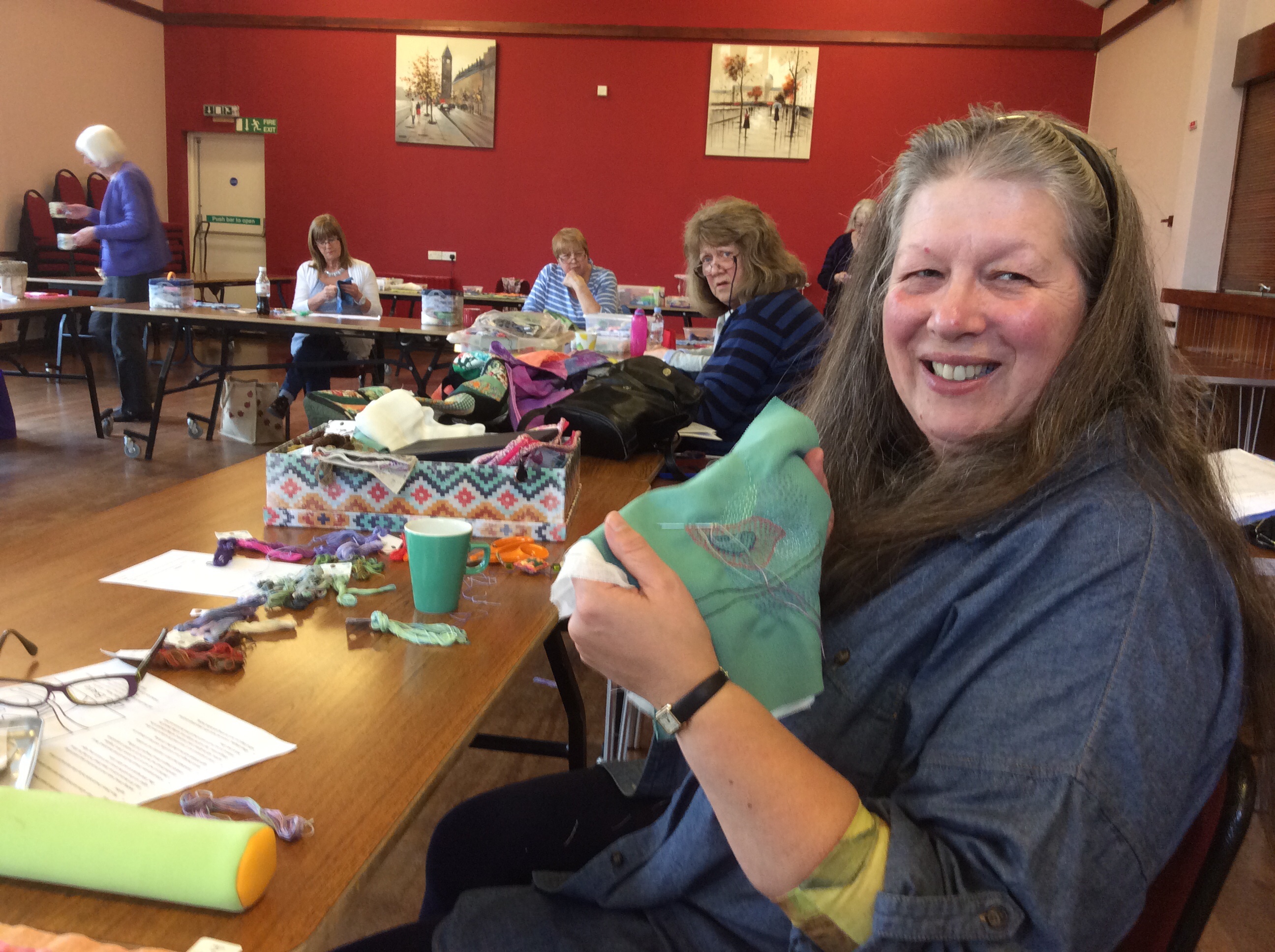
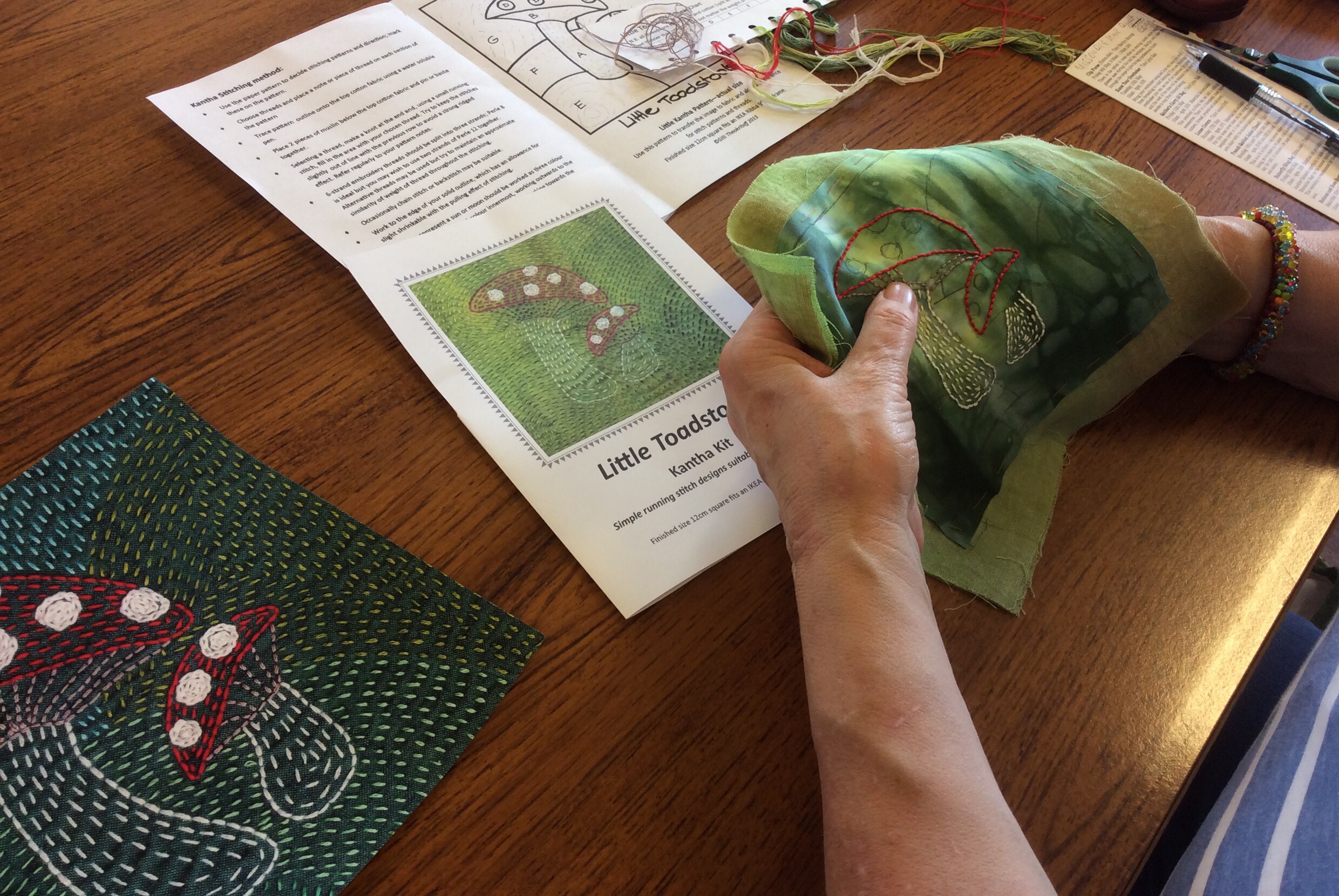
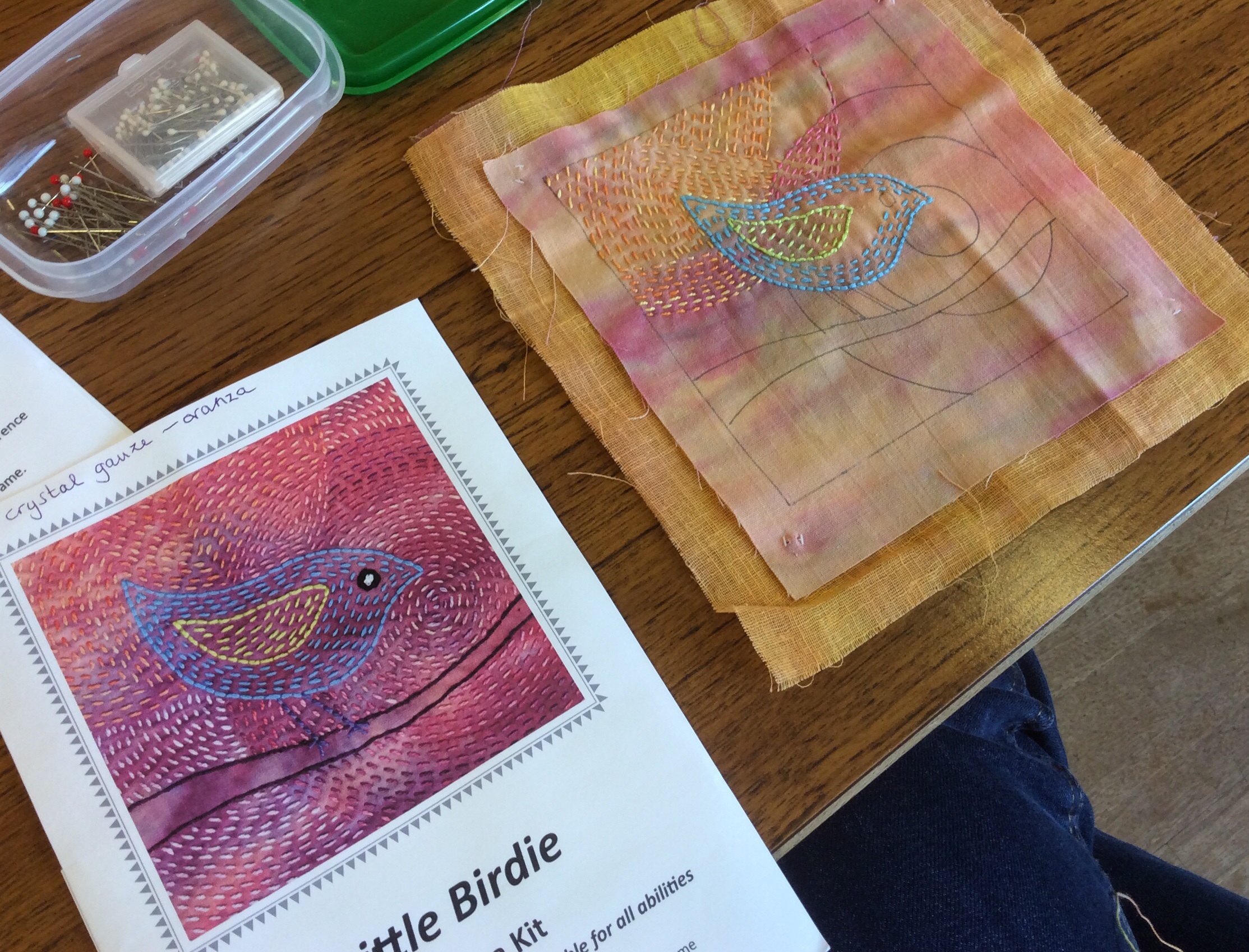
Today I joined a lovely group of ladies in Cranwell Village Hall to learn the basics of Kantha stitching.  Our tutor,  Gilli Theokritoff, is an active member of Region 10 of the Quilters Guild, running workshops both locally and around the country.  Gilli brought along several beautiful examples of her Kantha work and provided the group with a choice of designs and threads to work with during the day.

Kantha is a simple embroidery technique consisting of running stitch often worked in parallel lines and in various directions.  The photo below shows two beautiful examples of Gilli’s Kantha work using her “Little Bird” design.

image

I am sure I speak for everyone when I say what a great day we had and you can see from the following images the variety of designs and colours that were worked on during the day.

image

image

image

image

image

Hand dyed and stamped blue fabrics with assorted threads, selected for the Kantha workshop at Cranwell Village Hall.

image

image

image


The Finished Quilt…..

My Riverside Trees art quilt is now finished and just needs to be edged.  This 30cm x 40cm quilt was done as trial ahead of making a larger version at 30″ x 40″ for the David Hockney Challenge.  It’s just as well I had the dummy run as there are a few things I have learnt while doing this project.

Firstly, I must start using a sketchbook…..I tend to launch straight into something and make it up as I go along.  The sky would have been different, and I would have been happier with it, if I had planned it before I started.

Secondly, I naively thought that using iron-on Vilene would mean I didn’t have to sew the trees in place…….yeah, right!   The more I handled the quilt the looser the trees became so they all had to stitched down.  This leads me on to the third thing I learnt which is “remember to breath” while free machine stitching!

The fourth thing I found was that organza and net, although looking very effective when layered, can also be problematic as loose fibres sometimes migrate between the layers and are very fiddly to remove.   My fabrics were simply laid in place, pinned and stitched, I’m guessing that if I had ironed them onto Bondaweb before stitching I could have avoided this happening.

The finished quilt

The finished quilt


Riverside Trees…..

Riverbank Trees Quilt

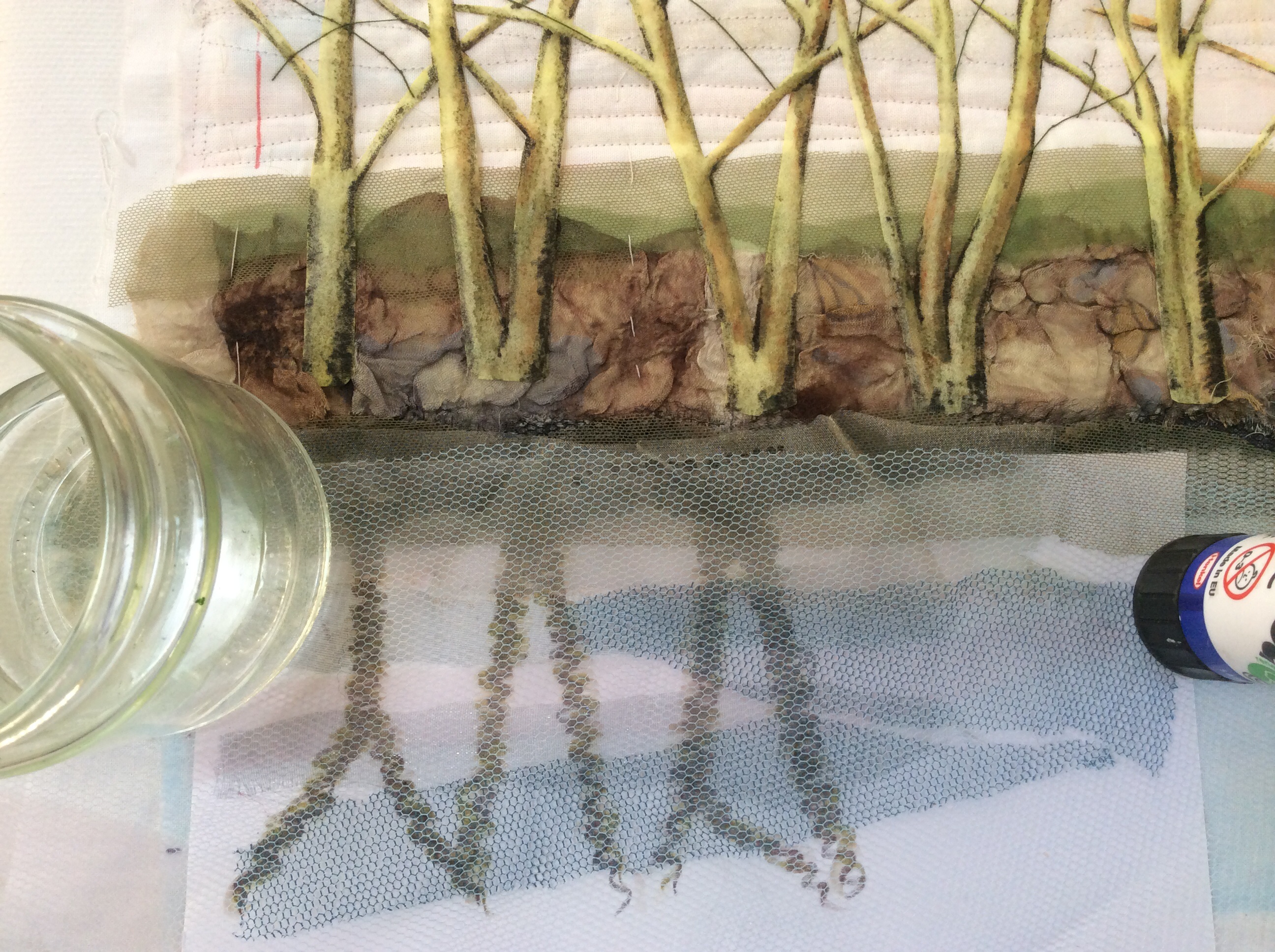
I’ve finished sewing the smaller branches and twigs onto my David Hockney inspired quilt and have been giving some thought to the reflections on the water.  The simplest way would be to create a mirror image of the riverbank, but my original photograph didn’t show the trees like that.  The tree trunks were distorted by the ripples on the water, which I am finding harder to replicate.

I’ve tried roughly sketching a few wiggly tree trunks onto paper and layering them with organza and netting.  The intention is to draw directly onto the top fabric and cover this with strips of sheers. If it’s a failure, which I half expect it to be, it won’t matter as I’ve left the wadding and backing loose at the bottom in case I need to patch it in with a second attempt.

Riverside Trees